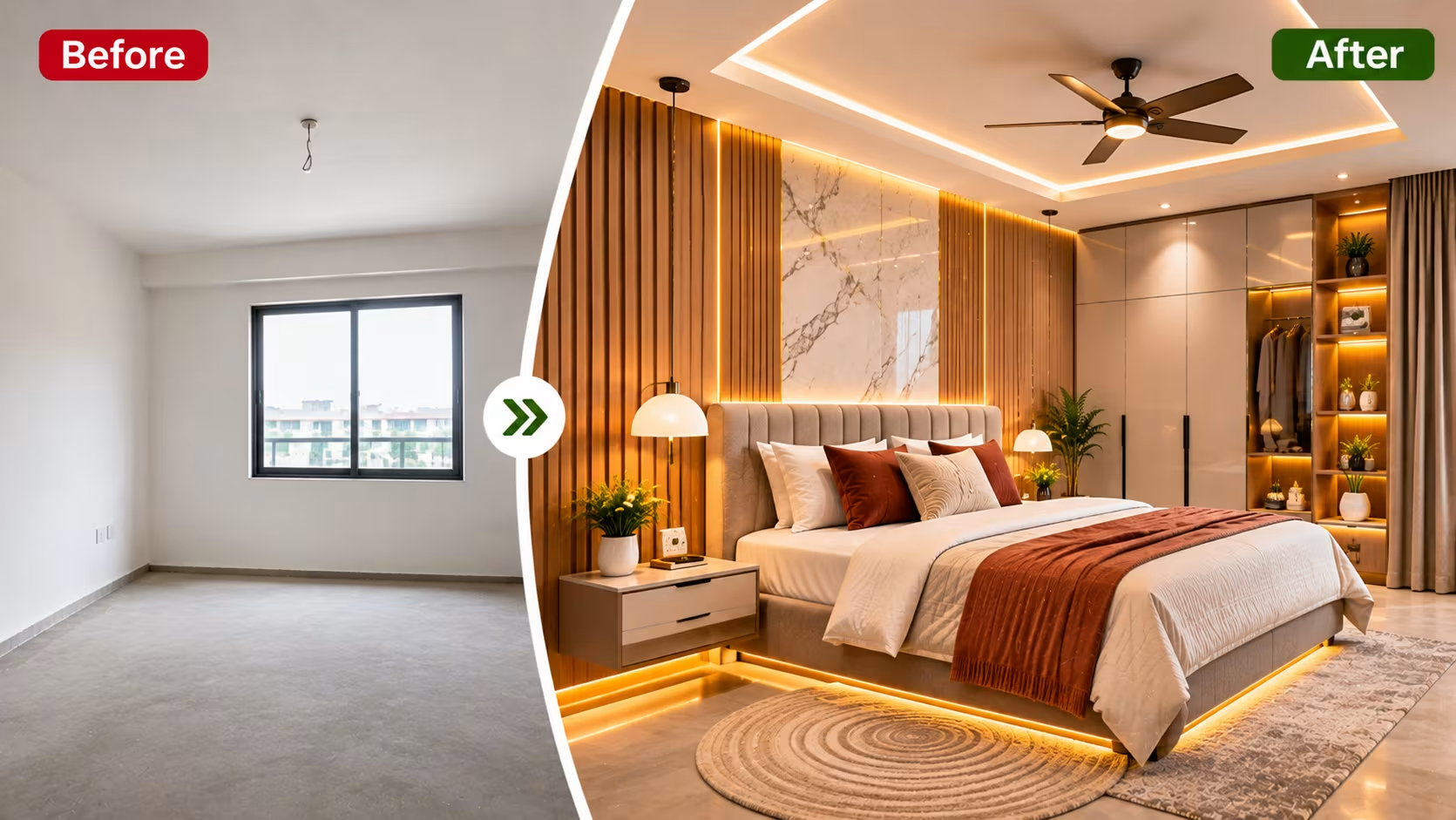
Modern interior design is about creating spaces that look stylish, feel comfortable, and support everyday living. From compact apartments to spacious villas, the right combination of colours, furniture, lighting, and storage can transform the appearance and functionality of a home.
If you are exploring modern interior design ideas in Hyderabad, focus on solutions that match your lifestyle, available space, and budget. A well-designed home does not need excessive decoration or expensive materials. Thoughtful planning and carefully selected details can create an elegant and practical environment.
Sree Interiors India helps homeowners explore interior design solutions that balance contemporary aesthetics with functionality. Whether you are furnishing a new apartment or renovating an existing property, modern design principles can help you make better use of every room.
1. Choose a Simple and Contemporary Colour Palette
Colour is one of the most important elements of modern interior design. A coordinated palette helps different rooms feel connected and creates a clean, balanced appearance.
Popular colour combinations include:
-
White and natural wood for a bright, welcoming atmosphere.
-
Beige and warm grey for understated elegance.
-
Cream and walnut brown for a sophisticated appearance.
-
Sage green and neutral shades for a calm environment.
-
Charcoal and light grey for a contemporary look.
You can introduce accent colours through cushions, artwork, decorative accessories, or a feature wall. Using too many competing colours may make a room feel visually cluttered.
For smaller homes, lighter shades can help spaces feel brighter, particularly when combined with natural light and appropriately sized furniture.
2. Modern Living Room Interior Design
The living room often serves multiple purposes, including relaxing, entertaining guests, and spending time with family. Its design should therefore balance visual appeal with comfort and practicality.
Consider these modern living room ideas:
Minimalist furniture: Choose a sofa and coffee table that suit the room's dimensions. Avoid overcrowding the available floor area.
Contemporary TV units: Wall-mounted televisions, floating cabinets, and concealed storage can create a neat entertainment area.
Feature walls: Wood panels, textured finishes, or subtle stone-inspired surfaces can add character without overwhelming the room.
Layered lighting: Combine ceiling lights with floor lamps, wall lights, or concealed lighting where appropriate.
Indoor greenery: A few well-positioned plants can introduce natural texture and soften contemporary interiors.
Before selecting furniture, plan the seating arrangement and walking paths. This helps create a living room that is attractive and easy to use.
3. Smart Interior Design for Small Homes
Many apartments require creative solutions to maximise usable space. Small-home interior design focuses on making rooms functional without making them feel crowded.
Useful ideas include:
-
Select furniture that fits the room rather than oversized pieces.
-
Use beds with built-in storage where suitable.
-
Install wardrobes that make efficient use of vertical space.
-
Consider wall-mounted desks for compact work areas.
-
Use sliding doors where they improve circulation.
-
Incorporate mirrors strategically to reflect light.
-
Choose multifunctional furniture for rooms with several uses.
Storage should be planned according to actual household needs. Frequently used items should remain accessible, while less-used belongings can be stored in less prominent areas.
A carefully measured layout can often improve a compact home more effectively than adding decorative features.
4. Modern Bedroom Interior Design
A modern bedroom should provide comfort, privacy, and an organised environment. The design can be simple while still feeling personalised and refined.
Start with a comfortable bed and arrange the remaining furniture around the available space. A well-designed headboard, coordinated bedside tables, and suitable lighting can create a balanced focal point.
Floor-to-ceiling wardrobes can provide useful storage where the room dimensions allow. Internal drawers, shelves, and organisers can make the storage more practical.
For colours, consider warm neutrals, muted greens, soft blues, or earthy shades. Textiles, curtains, and bedding can introduce additional colour without requiring permanent changes to the room.
Avoid placing too much furniture in a bedroom. Maintaining comfortable circulation around the bed can improve both usability and the overall appearance.
5. Modern Modular Kitchen Design
A modern kitchen should combine organised storage, durable materials, practical work surfaces, and efficient movement.
When planning a modular kitchen, consider the following:
Cabinet layout: Select a configuration that suits the room's dimensions and cooking habits.
Storage accessories: Pull-out drawers, corner units, pantry storage, and internal organisers can help reduce clutter.
Countertops: Compare material options based on durability, maintenance, appearance, and budget.
Lighting: Ensure work surfaces receive adequate task lighting, particularly beneath overhead cabinets.
Appliance planning: Decide the positions of the refrigerator, hob, oven, and other appliances before finalising cabinetry.
Easy maintenance: Choose finishes that suit the kitchen's expected use and cleaning requirements.
A modern kitchen does not have to follow a particular colour trend. White, beige, grey, wood tones, and darker cabinet finishes can all work when coordinated with the surrounding space.
6. False Ceiling and Modern Lighting Ideas
Lighting plays a major role in how an interior looks and feels. A well-planned lighting scheme supports daily activities while adding visual interest.
Modern homes may use three main types of lighting:
-
Ambient lighting: Provides general illumination throughout the room.
-
Task lighting: Supports activities such as reading, cooking, or working.
-
Accent lighting: Highlights artwork, architectural features, shelves, or selected decorative elements.
False ceilings can accommodate recessed fixtures and concealed lighting, but they should be designed according to the room's height, layout, and requirements.
Avoid using decorative ceiling details simply because they are popular. A simpler ceiling with appropriate lighting may be more practical for some homes.
7. Modern Wardrobe and Storage Solutions
Effective storage is essential for maintaining an organised home. Modern storage solutions combine practical internal arrangements with finishes that complement the overall interior design.
Popular options include:
-
Sliding wardrobes for rooms where door clearance is limited.
-
Hinged wardrobes where sufficient opening space is available.
-
Floor-to-ceiling cabinets for additional storage.
-
Built-in dressing units with organised drawers.
-
Concealed storage within beds and seating.
-
Entryway cabinets for shoes, bags, and everyday essentials.
The right solution depends on the room dimensions, the number of users, and the items that need to be stored.
Before finalising a wardrobe, consider hanging space, shelves, drawers, accessories, ventilation where required, and convenient access.
8. Select Materials That Suit Your Lifestyle
Material selection affects durability, maintenance, appearance, and cost. A modern interior should use materials appropriate to the way each room will be used.
For example, kitchen surfaces should be selected with cleaning and moisture exposure in mind. Upholstery should suit the household's daily use, while flooring should be appropriate for expected foot traffic and maintenance preferences.
When selecting finishes, consider:
-
Durability and expected lifespan.
-
Cleaning and maintenance requirements.
-
Colour and texture coordination.
-
Suitability for the intended location.
-
Installation requirements.
-
Overall project budget.
It is not necessary to use the most expensive material throughout the home. Combining practical materials with selected decorative finishes can create a balanced result.
9. Use 3D Visualisation Before Execution
3D visualisation can help homeowners understand how their proposed interiors may look before work begins.
It can provide a clearer view of furniture placement, colour combinations, cabinet finishes, lighting concepts, and the relationship between connected rooms.
Review the visualisation alongside measurements, technical drawings, material specifications, and the execution plan. This helps ensure that the proposed design is practical and consistent with the agreed requirements.
Finalising important decisions before execution can also reduce the likelihood of expensive changes later.
10. How to Plan Your Home Interior Budget
A clear budget helps you prioritise essential work and avoid unnecessary expenses.
Begin by listing your requirements room by room. Identify essential elements, such as kitchen cabinets, wardrobes, and basic lighting, before allocating funds to optional decorative upgrades.
Next, compare materials and obtain itemised quotations from interior design companies. Check what each quotation includes, including furniture, installation, electrical work, finishes, and any exclusions.
Keep an allowance for unexpected requirements, particularly when renovating an existing property. Existing electrical, plumbing, or structural conditions may affect the final scope.
A practical budget should support your most important needs while allowing room for selected design features that improve the home.
11. Why Choose Sree Interiors India?
Choosing an interior design company involves more than comparing designs or quotations. You should also consider the company's approach to space planning, material selection, communication, project coordination, and execution.
Sree Interiors India focuses on residential and commercial interior design requirements, helping clients explore solutions suited to their preferences and available spaces.
Before starting a project, discuss your expected budget, preferred style, essential features, and project timeline. Clear requirements make it easier to evaluate design proposals and establish realistic expectations.
Whether you are planning a contemporary apartment, a family home, or a villa, the aim should be to create interiors that remain functional and visually appealing over time.
Conclusion
Modern interior design combines clean aesthetics, thoughtful layouts, comfortable furniture, appropriate lighting, and practical storage. The best design is not necessarily the most elaborate one; it is the design that works well for the people using the space.
If you are looking for modern interior design ideas in Hyderabad, start by understanding your requirements and planning each room around its intended use. Carefully selected colours, materials, and furniture can help create a home that feels cohesive, comfortable, and contemporary.
Sree Interiors India can help you explore interior design options tailored to your home's layout, lifestyle, and budget.